Christmas Fishing Tree: A Designer's Real-World Review
When I first opened the Christmas Fishing Tree file, my initial reaction wasn't about stitch counts or file formats. It was about the mood. There is a specific kind of charm in holiday designs that manages to be festive without being overly generic. This design immediately struck me as having a quiet narrative quality. It feels less like a standard clip-art Christmas tree and more like a scene from a cozy winter storybook. As someone who reviews embroidery files for both personal hobby projects and commercial client work, I am always looking for that "real-world" potential—the ability of a digital image to translate into a tactile, high-quality finished product.
First Impressions and Visual Personality
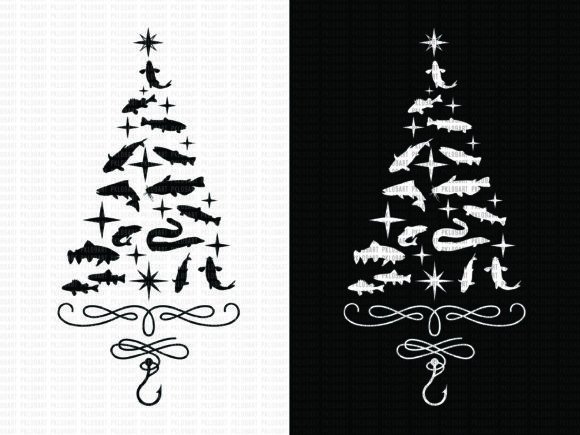
The layout of Christmas Fishing Tree suggests a balanced composition that works well for various garment placements. The visual personality here is grounded yet whimsical. In the world of machine embroidery, where thread density can sometimes flatten an illustration, this design seems to maintain its character. It creates a sense of warmth and nostalgia that resonates deeply with the target audience for holiday gifts. For designers, the appeal lies in how it balances detail with clarity. It isn't so sparse that it looks unfinished, nor is it so dense that it risks puckering on lighter fabrics. It sits comfortably in the sweet spot of professional design assets, promising a finished product that looks intentional and polished.
Real-Life Application: From Screen to Stitch
To truly understand the value of Christmas Fishing Tree, we have to look at it in action. Let's imagine a scenario involving a small boutique owner preparing for the holiday rush. They need a custom embroidered tote bag design that stands out on the Etsy marketplace but doesn't require hours of intricate stitching that drives up production costs. This design fits that niche perfectly. The imagery translates beautifully onto canvas or heavy cotton twill, offering a rustic yet refined aesthetic that customers associate with handmade quality.
Consider another use case: a personalized gift for a baby shower or a new parent. A soft sweatshirt or a onesie featuring Christmas Fishing Tree would offer a unique alternative to the typical Santa or reindeer motifs. The theme allows for a gender-neutral holiday option that appeals to modern parents who appreciate subtle storytelling in their children's clothing. When stitched onto a textured fabric like fleece or chenille, the design adds a layer of depth that enhances the perceived value of the item. It transforms a simple garment into a keepsake, something a buyer might hold onto for years rather than discard after the season ends.
Navigating Technical Challenges
While the design has strong artistic merit, any experienced embroiderer knows that the devil is in the details. Using Christmas Fishing Tree requires strategic planning, especially when dealing with specific materials. If you are working with stretchy fabrics like jersey knit, the stitch density must be managed carefully to prevent distortion. In these cases, using a high-quality cut-away stabilizer is non-negotiable to ensure the design holds its shape during wear and washing.
There are also limitations to consider regarding surface area. On smaller hoop sizes, such as those used for caps or patches, the finer details of the illustration might get lost or become too crowded. Curved surfaces like baseball caps present a unique challenge; while the central motif might sit well, the surrounding elements could distort if the curvature is too extreme. Additionally, dark fabrics require a careful selection of thread colors to ensure contrast. If the design relies heavily on light shades for key details, they may not pop against a navy or black background without underlaying or specific color changes.
Fabric Texture and Thread Selection
The interaction between the design and fabric texture is crucial. On a smooth sateen pillow cover, the satin stitches will shine and reflect light, creating a luxurious finish. However, on a rough burlap or heavily textured linen, the same stitches might not lay flat, potentially obscuring the intricate lines of the fishing theme. When selecting thread colors, I recommend testing a few variations before committing to a full run. The right shade of green for the tree and the correct tone for the fishing gear can make the difference between a design that looks amateurish and one that looks professionally crafted.
Impact on Brand and Customer Trust
In the competitive landscape of craft businesses, presentation is everything. A well-executed Christmas Fishing Tree project signals professionalism to your customers. When a buyer sees a clean, crisp embroidery job on a kitchen towel or a boutique apron, it builds trust in your brand. It suggests that you care about the quality of your output and respect the recipient of the gift. Conversely, a poorly executed design with loose threads or misaligned stitches can damage a reputation instantly.
This design is particularly effective for creating a cohesive brand identity. Whether you are selling digital embroidery files or physical goods, the consistent use of high-quality illustrations helps establish a recognizable style. Customers often return to shops that offer products with a distinct visual language. By incorporating Christmas Fishing Tree into your catalog, you are offering a product that feels curated and thoughtful, which increases engagement and encourages repeat purchases.
Practical Designer Notes for Success
Before you start stitching, there are several technical steps you should take to ensure success. First and foremost, test the design on scrap fabric that matches your intended project material. This allows you to check the stitch density and see how the design behaves under tension. Pay close attention to the corners and any fine details; if they appear muddy or unclear in the test, you may need to adjust the digitizing settings or simplify the design slightly.
It is also wise to review the design in black and white mockups. This helps you visualize the contrast levels without the distraction of color. If the design relies on subtle shading, ensure that the thread choices provide enough separation between elements. Confirm the hoop size requirements early in the process to avoid resizing issues later. Furthermore, always inspect small details closely, as these are often the first things to fail during the embroidery process.
Don't forget to verify the licensing terms. If you plan to sell finished items featuring Christmas Fishing Tree or distribute the digital file itself, you must ensure you have the proper commercial rights. Using a design without the correct license can lead to legal complications. Finally, compare how the design performs on light versus dark backgrounds. Sometimes, a design that looks perfect on white paper needs significant adjustment when moved to a colored garment.
Final Thoughts on Project Viability
Christmas Fishing Tree stands out as a versatile and emotionally resonant choice for a wide range of embroidery projects. Its ability to bridge the gap between traditional holiday themes and unique, illustrative styles makes it a valuable asset for creative entrepreneurs. Whether you are decorating a nursery, creating custom apparel, or developing merchandise for a craft fair, this design offers the potential to elevate your work. By approaching it with the right technical preparation and an eye for detail, you can create finished products that not only look beautiful but also stand the test of time and frequent use. It is a reminder that great embroidery is not just about the machine, but about the thoughtful application of design principles to real-world objects.