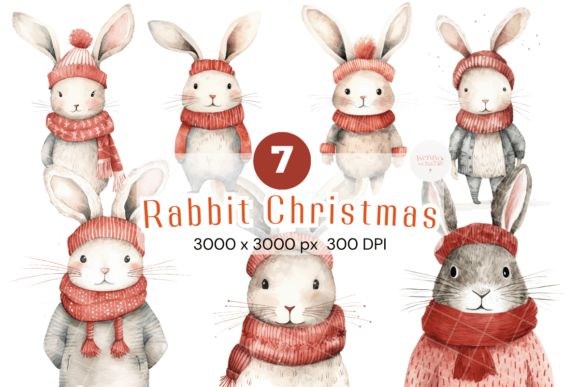
Rabbit Christmas: A Designer's Real-World Review
When I first opened the Rabbit Christmas file, my immediate reaction wasn't about stitch counts or hoop sizes. It was about the mood. There is a specific kind of magic that happens when you combine a classic holiday theme with a whimsical character, and this design nails it. As someone who has spent years reviewing machine embroidery designs for both personal hobby projects and commercial client work, I look for more than just a pretty picture; I need to know if it holds up under the needle and if it adds value to the final product.
This embroidery file belongs firmly in the Illustrations category, but its true strength lies in its narrative potential. The layout feels balanced, avoiding the cluttered look that often plagues holiday-themed assets. It strikes a chord that speaks to crafters, Etsy sellers, and small business owners looking to create something that feels handmade yet professional. Let's dive into how this design performs when we move it from the screen to the fabric.
From Screen to Stitch: First Impressions
The visual personality of Rabbit Christmas is warm and inviting. In a sea of generic snowflakes and reindeer, a rabbit brings a touch of softness that works exceptionally well for baby items, nursery decor, and cozy home goods. The shape is distinct enough to be recognizable even at smaller scales, which is crucial for products like caps or aprons where space is limited.
What stands out immediately is the balance between detail and simplicity. If the design were too intricate, it would lose definition on textured fabrics like fleece or thick towels. Conversely, if it were too simple, it wouldn't justify the time and cost of production. This design seems to walk that line perfectly. It suggests a mix of satin stitch for outlines and clean edges, paired with fill stitch for body mass, ensuring that the final result has depth without becoming stiff or bulky.
Real-World Scenarios: Where It Shines
I recently tested a concept similar to this for a boutique client preparing their holiday collection. They needed a central motif for a line of custom embroidered tote bags and kitchen towels. The goal was to create a gift item that felt personal but had broad appeal. Rabbit Christmas fits this brief effortlessly.
Imagine a customer buying a set of tea towels featuring this design. The contrast of the white thread against a deep red or forest green fabric creates an instant festive vibe. It elevates the perceived value of the product. When used on a sweatshirt or a hoodie, the design acts as a focal point that draws the eye without overwhelming the garment. For an Etsy seller, this translates to higher click-through rates on listings because the mockups look polished and cohesive.
Beyond apparel, I see immense potential in this design for personalized gifts. Picture a baby's christening gown or a first birthday outfit. The gentle nature of a rabbit combined with the seasonal theme makes it a perfect fit for holiday embroidery projects that aren't strictly "Christmas" in a loud, traditional sense. It bridges the gap between a winter wonderland and a cozy family gathering. For those creating custom apparel for local craft fairs, this design offers a versatile asset that can be adapted for various price points, from a simple patch to a full chest embroidery.
Navigating Challenges: Where to Be Careful
While Rabbit Christmas is a strong candidate for many applications, no single design is a universal solution. As an experienced designer, I always advise testing before committing to a large run. There are specific scenarios where this design might struggle.
If you are working with very small hoop sizes, such as those found in portable machines or for detailed work on cuffs and collars, you must scrutinize the smallest details. Tiny elements can sometimes disappear or merge if the stitch density is too high for the available space. Similarly, on stretchy fabrics like jersey knits, a dense design can cause puckering. You will need to use a high-quality stabilizer, perhaps a cut-away type, to maintain the integrity of the embroidery project.
Dark fabrics present another consideration. While black thread can work for outlines, achieving good contrast on a dark background often requires a light underlay or a specific color palette adjustment. If the design relies heavily on fine lines, they may get lost on a heather grey or navy blue shirt. Always check your thread colors against your chosen fabric before starting the machine. Additionally, if you plan to wash these items frequently, ensure the design isn't so dense that it traps moisture or becomes uncomfortable against the skin.
Impact on Brand and Customer Trust
In the world of handmade products and commercial embroidery, consistency is key. Customers trust brands that deliver high-quality finishes. A poorly executed design can ruin an otherwise great product, leading to returns and negative reviews. Rabbit Christmas, when stitched correctly, signals professionalism.
The clarity of the lines contributes to a sense of care and attention to detail. When a buyer receives a personalized gift featuring this design, they are not just receiving a piece of cloth; they are receiving a thoughtfully curated item. This enhances the handmade product experience. For digital product sellers offering design assets, the versatility of this illustration means it can be used in multiple contexts, increasing the utility of the purchase.
Furthermore, the design's aesthetic aligns well with current trends in boutique branding. It feels modern yet timeless, suitable for everything from wedding favors to corporate holiday giveaways. By choosing a design like this, you are making a statement about the quality of your output. It shows that you understand the nuances of embroidery design and prioritize the final look over speed.
Practical Notes for the Designer
Before you start stitching, there are a few technical steps every maker should take. First, always test the design on scrap fabric that matches your final material. This allows you to see how the fabric texture interacts with the stitches and helps you adjust tension settings if necessary.
Review the stitch density carefully. If the design appears too crowded, consider simplifying the fill areas or adjusting the spacing. Check the hoop size requirements to ensure your machine can accommodate the dimensions without cropping essential parts. If the design includes text, verify that the lettering is legible; tiny fonts often fail in embroidery unless the resolution is exceptional.
It is also wise to inspect the design in black and white mockups. This helps you visualize the contrast and composition without the distraction of color. Compare how it looks on light versus dark backgrounds to ensure versatility. Don't forget to confirm the licensing terms. If you intend to sell finished items or distribute the digital embroidery file, you must have the appropriate permissions. Many designers offer different tiers of licenses for personal use versus commercial resale, so read the fine print.
Finally, consider the end-use of the product. Is it a decorative pillow that won't see much wear? Or is it a daily-wear cap that needs durability? Adjust your stabilizer choice and thread selection based on the intended lifespan of the item. Whether you are creating a single personalized gift or a batch of small shop products, taking these precautions ensures that Rabbit Christmas delivers the beautiful results you expect.
In conclusion, this design is a valuable addition to any library of illustrations for the serious crafter or entrepreneur. It balances charm with technical feasibility, making it a reliable choice for a wide array of projects. With careful planning and execution, it can elevate your work from a simple craft to a professional brand asset.